
TIMES OF ISRAEL
May 30, 2014
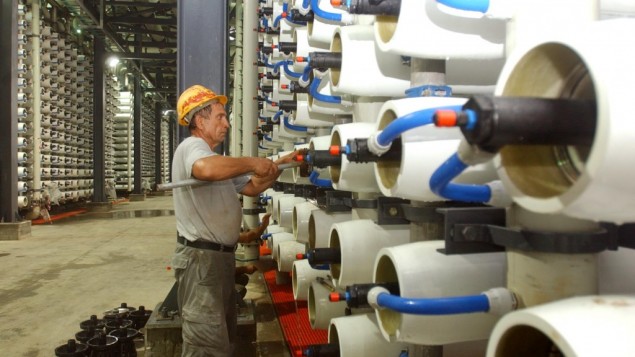
Advanced facilities allow country to plan for future, with 35 percent of drinking-quality water now desalinated
OREK, Israel (AP) — After experiencing its driest winter on record, Israel is responding as never before — by doing nothing.
While previous droughts have been accompanied by impassioned public service advertisements to conserve, this time around it has been greeted with a shrug — thanks in large part to an aggressive desalination program that has transformed this perennially parched land into perhaps the most well-hydrated country in the region.
“We have all the water we need, even in the year that was the worst year ever regarding precipitation,” said Avraham Tenne, head of the desalination division of Israel’s Water Authority. “This is a huge revolution.”
By solving its water woes, Israel has created the possibility of transforming the region in ways that were unthinkable just a few years ago. But reliance on this technology also carries some risks, including the danger of leaving a key element of the country’s infrastructure vulnerable to attack.
Situated in the heart of the Middle East, Israel is in one of the driest regions on earth, traditionally relying on a short, rainy season each winter to replenish its limited supplies. But rainfall only covers about half of Israel’s water needs, and this past winter, that amount was far less.
According to the Israeli Meteorological Service, northern Israel, which usually gets the heaviest rainfalls, received just 50 to 60 percent of the annual average.
 ArchitectGuy on Israel